
CURL’s $1500 Research Fellowships can be used to support a wide range of research outcomes. Learn about a few of our Fellows’ past projects… Then apply for your own!
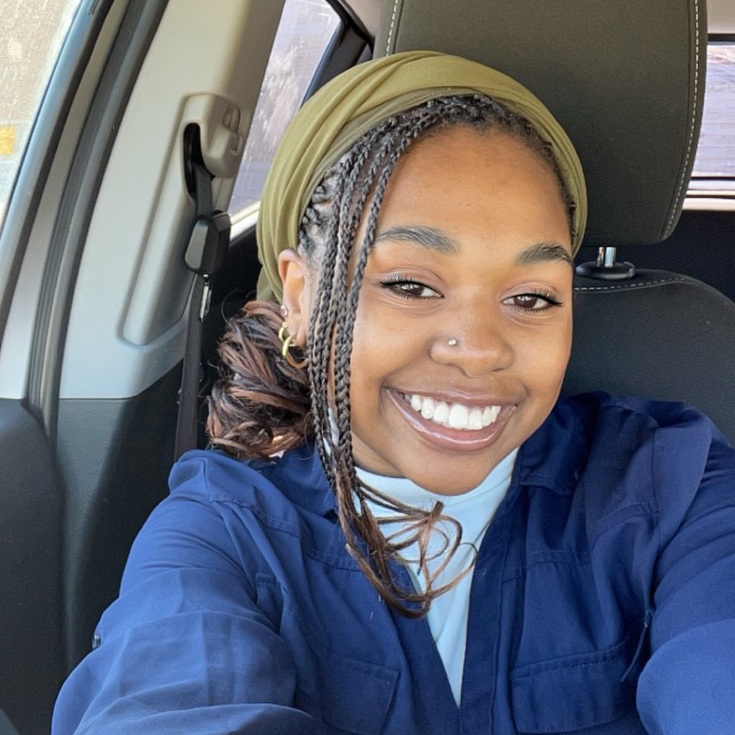
Ally Karabu
Ally explored how the LAPSSET project—the Lamu Port-South Sudan-Ethiopia Transport Corridor project, which aims to complete Kenya’s second transport corridor—impacts local communities. She focused closely on its structural and power imbalances and the overt and covert barriers local grassroots organizations face when advocating against it.
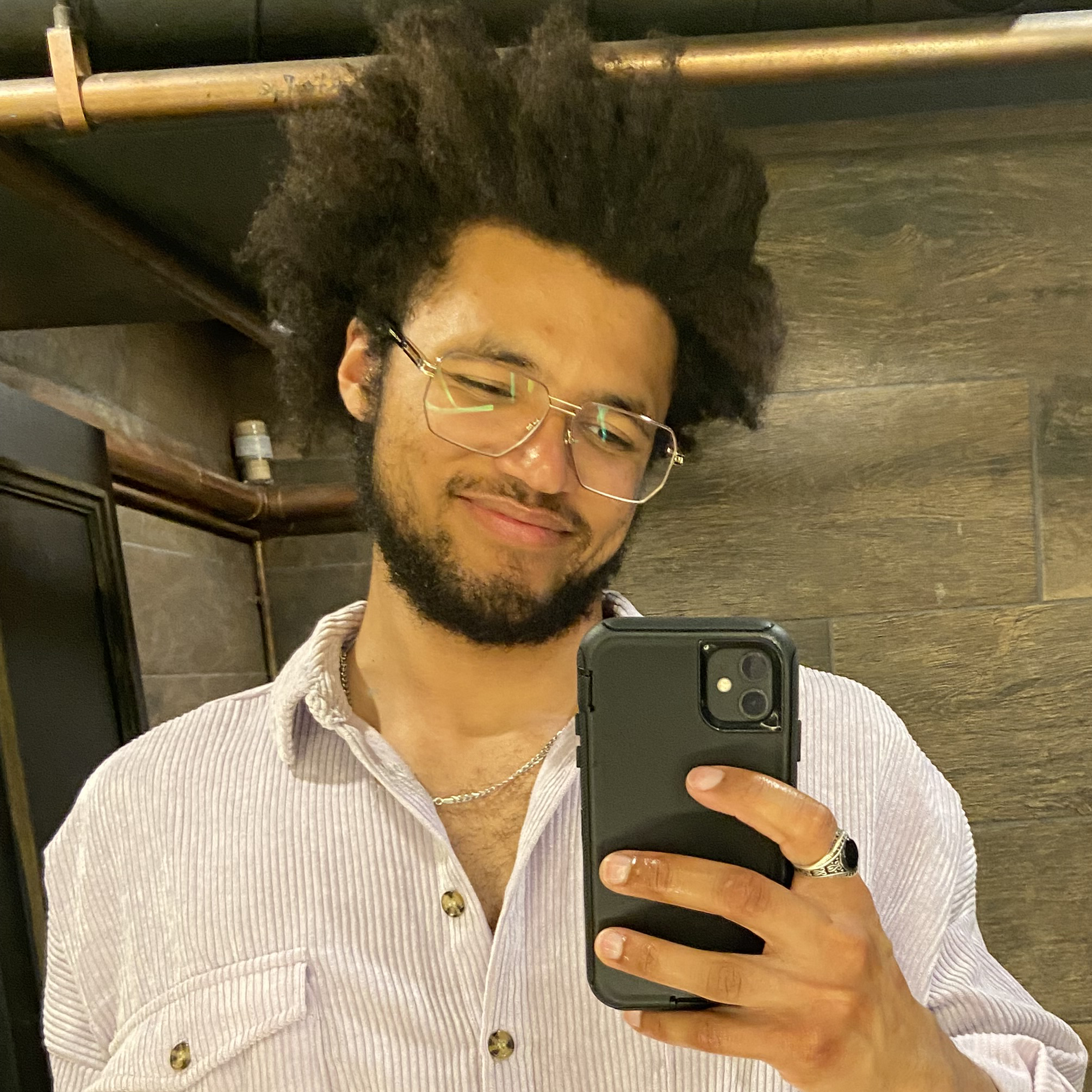
Noah Hendricks-Polack
Noah’s research asks the question: what can implicit learning tell us about problem solving and consciousness? Although most people might consider explicit learning to be the dominant way we gain knowledge about the world, a large body of research has emphasized the importance of implicit learning in several domains. Noah’s project investigated whether the development of explicit awareness of patterns relates to general cognitive traits, such as meta-cognition.
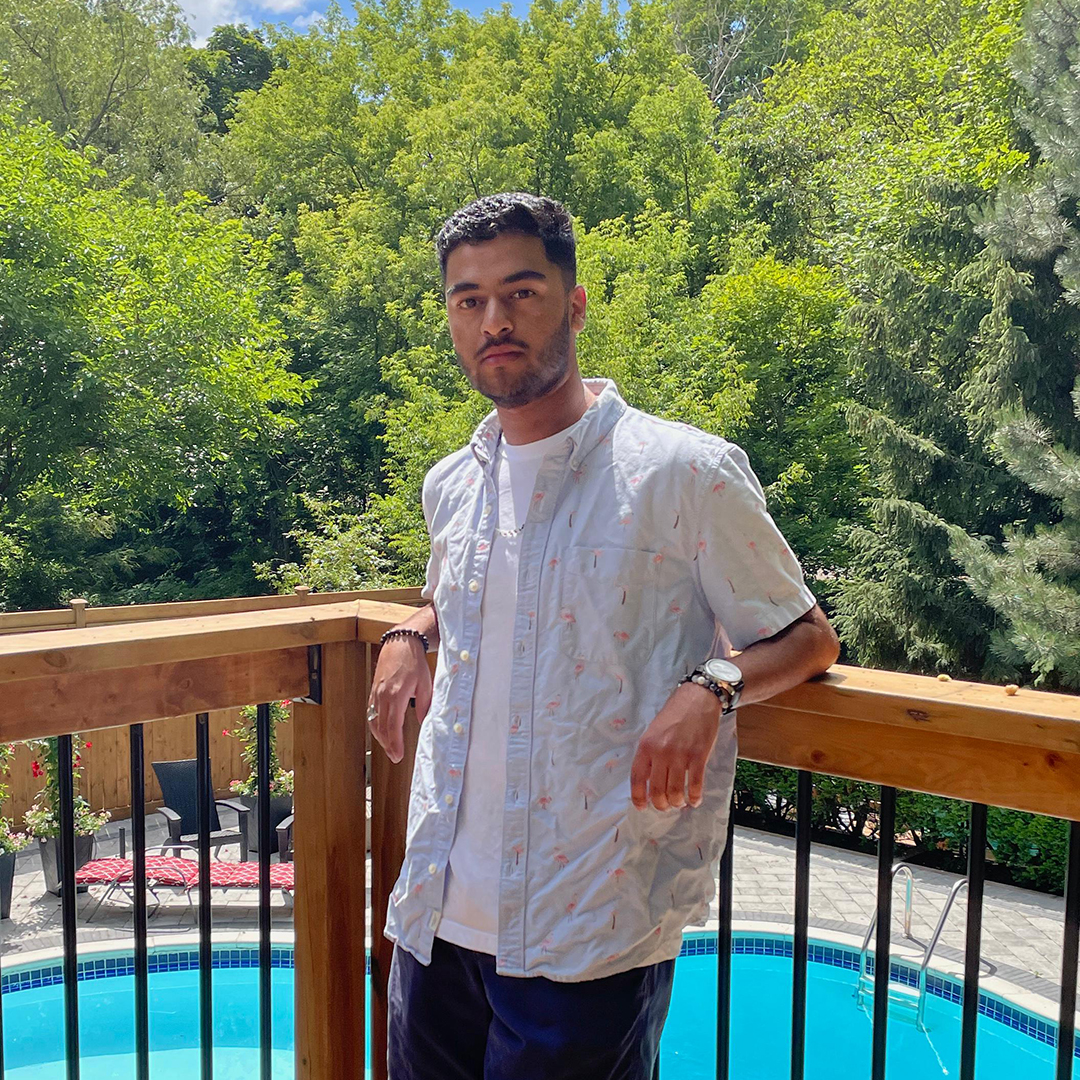
Yasser Ridwan
Yasser’s project explored the intricate relationship between climate change and the Canadian economy. Yasser gathered information from a variety of sources, including the Canadian Disaster Database (CDD) and the Intergovernmental Panel on Climate Change (IPCC) database. He gathered feedback from Q&As and social media to determine the most effective ways to communicate and mobilize his findings.
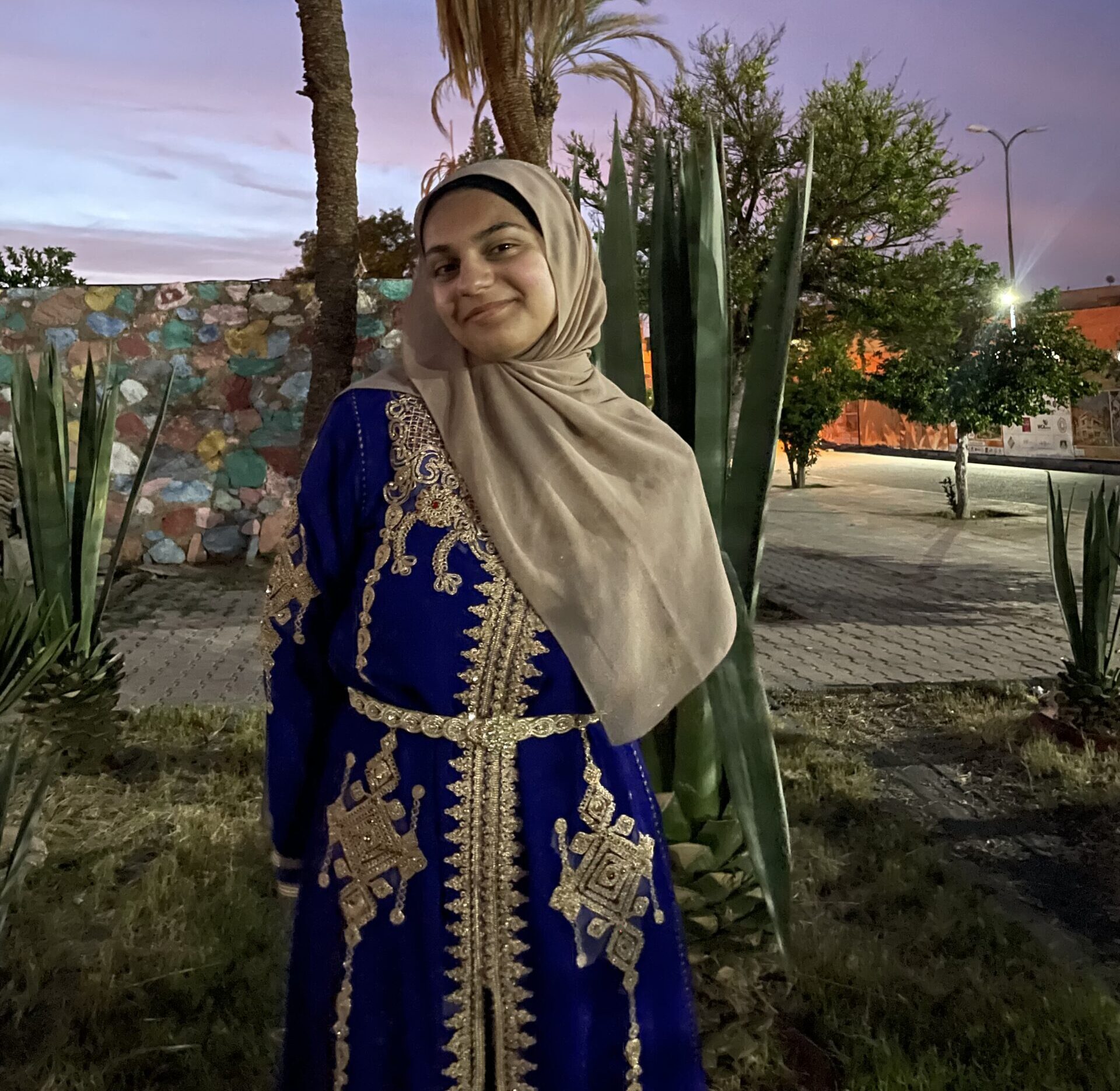
Tala El-Alam
Tala examined the ways in which prison escapes are represented in media and the cultural implications of these representations. She explored how narratives of the struggle of individuals against dehumanizing systems can help the public understand oppressive systems and help scholars analyze the public’s attitude towards prison, punishment, state power, the symbolism of rights, and more.

Babette Norton & Ocarina Zheng
Babette and Ocarina designed an experiment and tested whether there is a difference in comprehension speed and lasting memory in young adults learning Japanese Hiragana when comparing multimedia and traditional pen-and-paper methods.
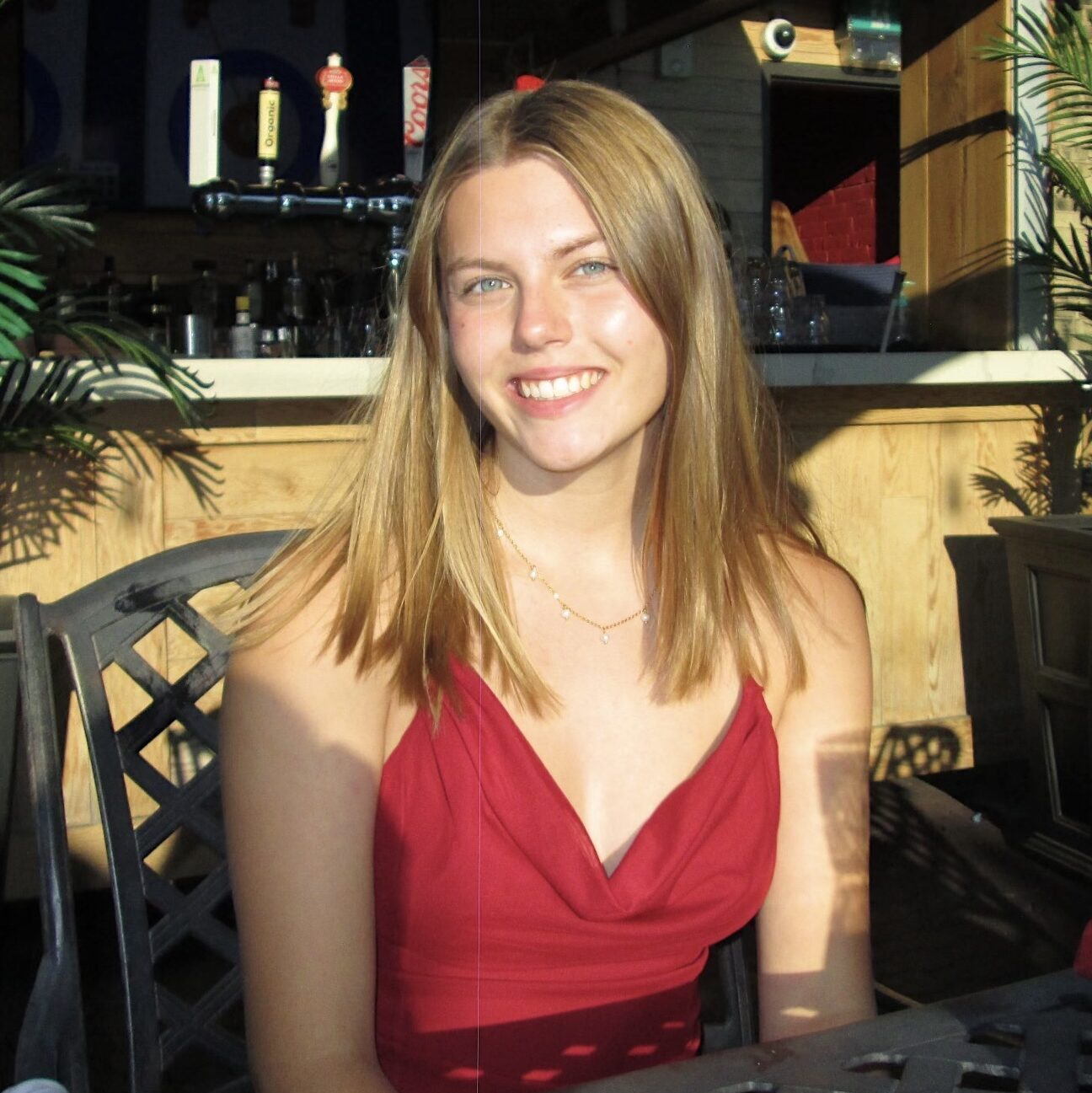
Claire Landry
Through policy scans and semi-structured interviews, Claire documented the start-to-finish process for obtaining accessible course readings (such as PDFs with auditory features) at Western, examining both student and provider experiences and constraints. Her project aimed to clarify how the systems work, why delays or barriers occur, and where realistic improvements may be possible.